
2025 certainly started on the wrong foot.
On what was supposed to be a great day for SEC football fans, was one of the most horrific events to hit New Orleans—on Bourbon Street, no less— in years.
Despite the senselessness and tragedy, it’s going to take a lot more than that to keep the spirit of New Orleanians down. This is a place that loves to throw a parade for the hell of it!
Knowing this, combined with Mardi Gras parades happening around the same time, I spent my birthday in New Orleans this year. If you know me, and as a boxer who’s typically on a strict diet, you know that my one fatal flaw is that I have a sweet tooth. And boy did New Orleans deliver. I came home with the most New Orleans shot glass following my swamp tour, a dope jacket, and a box of Aunt Sally’s creamy pralines. And I know you’re going to ask… the beignets never stood a chance!
But by far, my favorite experience was the Sazerac House. This part distillery, part museum is filled with history dating back to the Prohibition era as you peruse three floors of trending cocktails from each decade. It’s not often you’ll find a bottle of Sazerac outside of Louisiana, but if you’re a fan of an Old Fashioned cocktail, I seriously recommend trying a Sazerac Old Fashioned.
With that being said, let’s get on to why you’re here. Here is my recap of the top events of 2025.
Tariff-ied
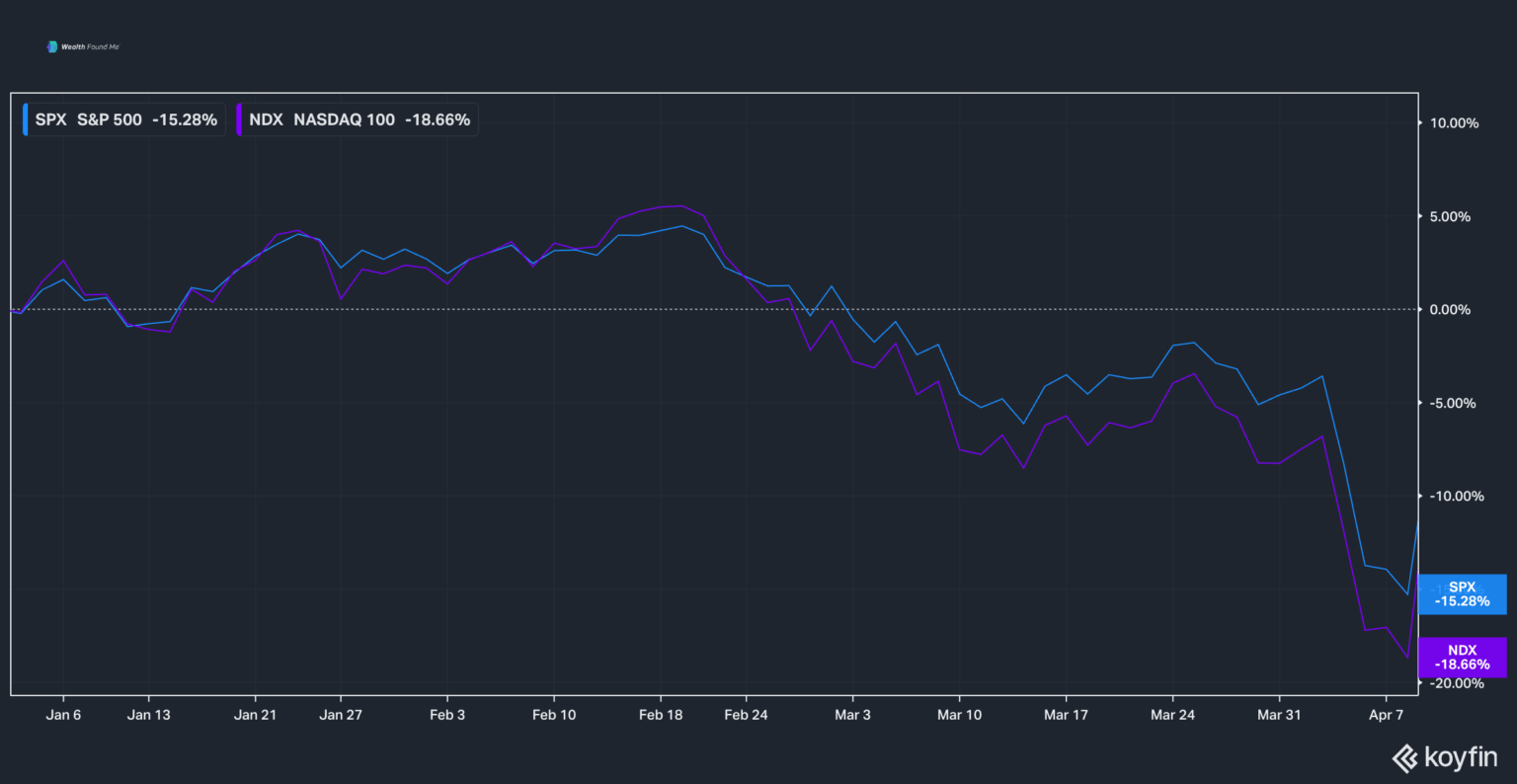
Stumbling out of the gate, the market got tripped up by one little word. “The most beautiful word in the dictionary…” they said. Tariffs.
The overarching idea behind the change in trade policy was that our economy would become more self-sufficient by revitalizing US manufacturing, raising revenue, and negotiating a better trade balance with other nations by using tariffs as leverage: ‘you need us more than we need you,’ economically speaking.
But what really drove markets into the ground was the lack of clarity around implementation and retaliation.
Who would foot the bill for this tax, the importing business or us? Does Foxconn build a factory in the U.S. and allow input costs to drive the price of a new iPhone even higher? Would China retaliate with its own tariffs or non-tariff barriers? At this point, we all had more questions than answers.
And we know how the market feels about uncertainty…
To date, the word “uncertainty” has been mentioned over 700 times across earnings calls for S&P 500 companies. In the first quarter alone, FactSet recorded that the word “uncertainty” was mentioned 415 times across all calls analyzed.
The start date, so-called “Liberation Day,” was the only piece of certainty we had. Surprisingly enough, it was all uphill from there.
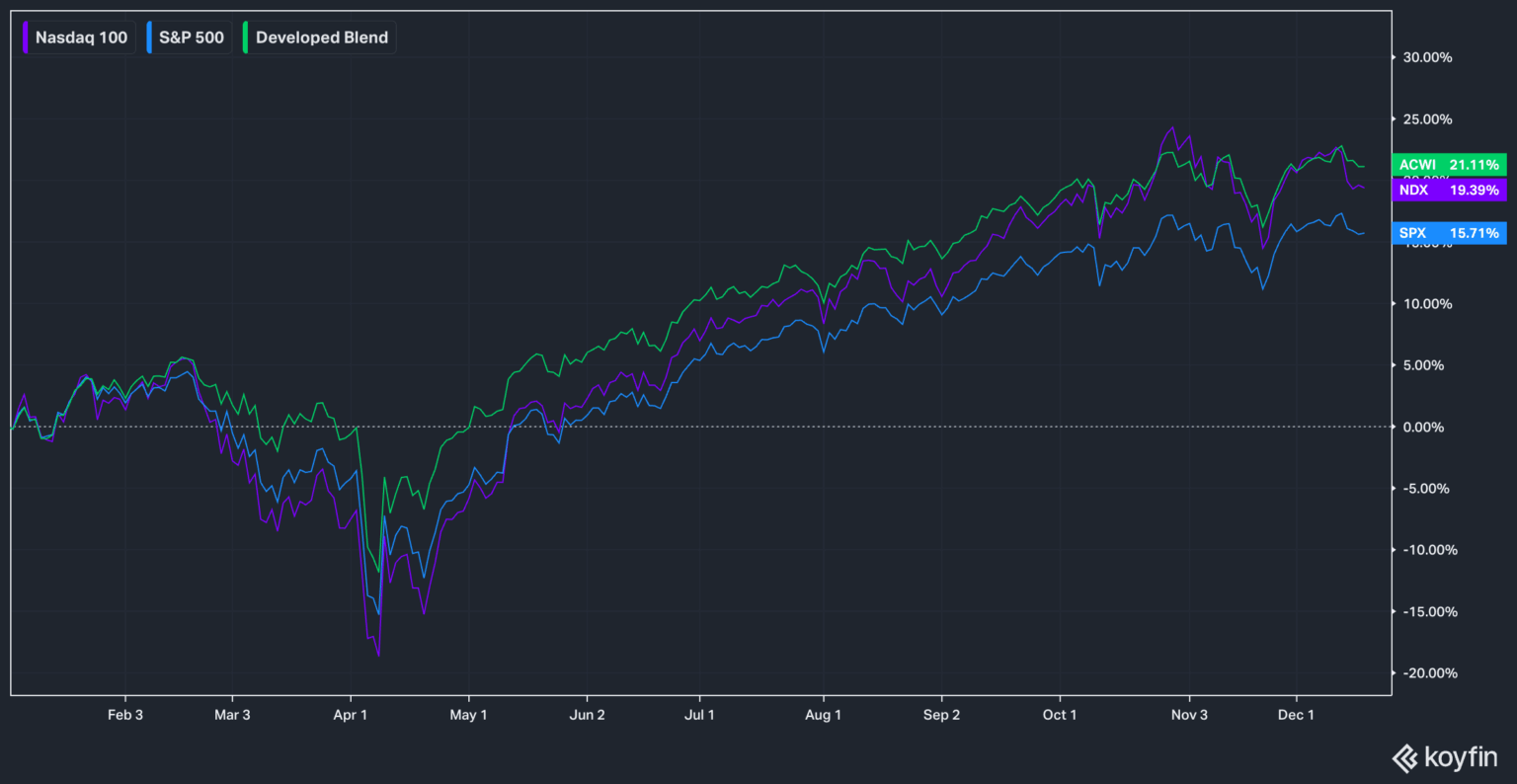
A surprise 90-day pause on the most punitive tariffs calmed markets and gave businesses breathing room to reassess supply chains and pricing strategies.
Volatility left almost as quickly as it arrived.
This was the only real blip of the year. Following that debacle, one could argue AI single-handedly saved the U.S. market this year… not the whole market.
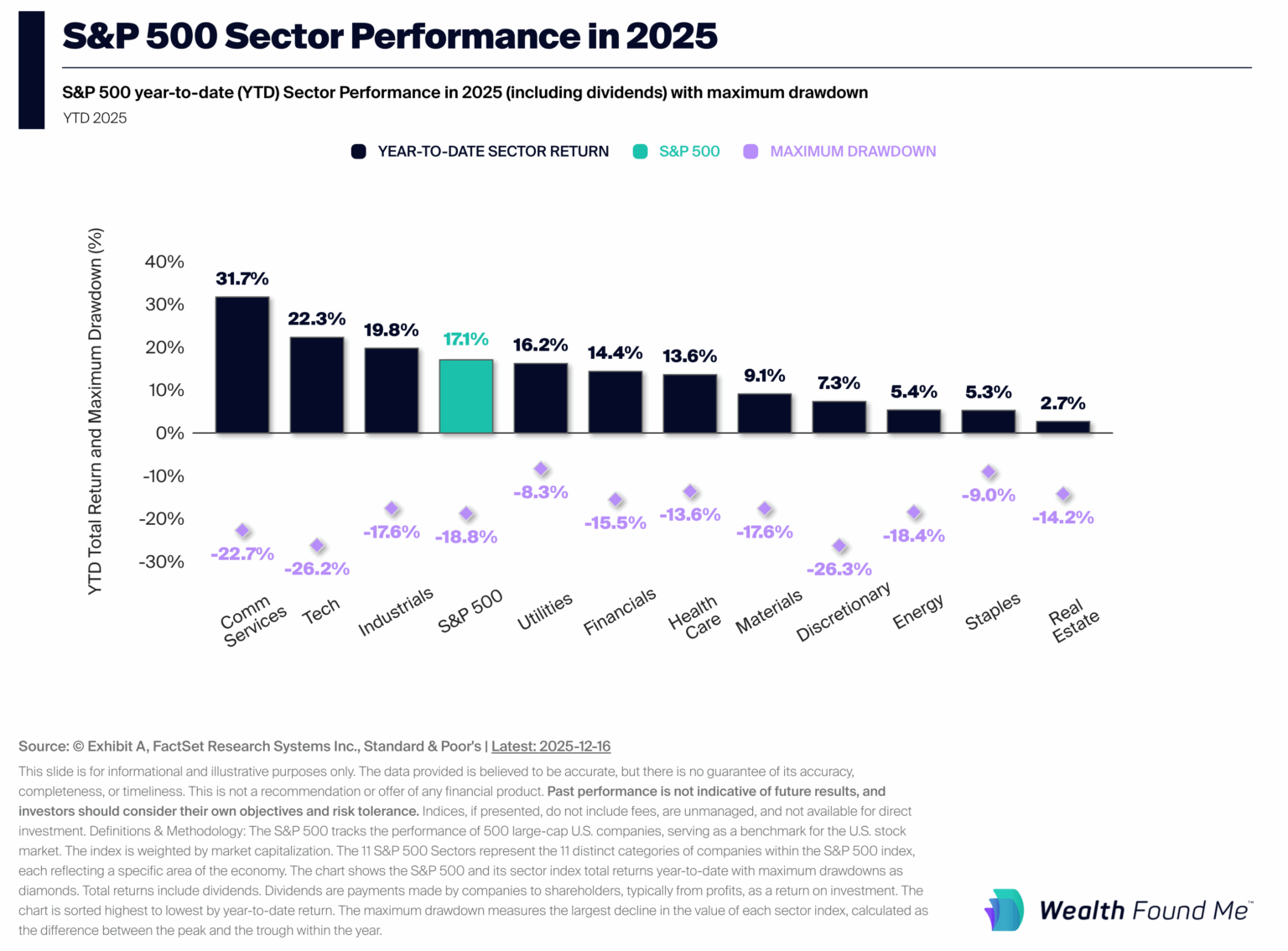
That’s because AI wasn’t the real hero of this story:
The Unlikely Hero
Just when it looked like we were headed for some kind of sustained slowdown in our economy, AI might have saved our stock market.
The Mag7 and hyperscaling alike have held the spotlight for years, driving revenues and earnings higher and higher. We learned this year that AI-related stocks accounted for more than 70% of the S&P returns and nearly all of the capital spending growth since ChatGPT was introduced to the world. It seemed like big tech and large-cap stocks were back on track to be the kings of the playground.
That is, until you look at how international stocks performed this year.
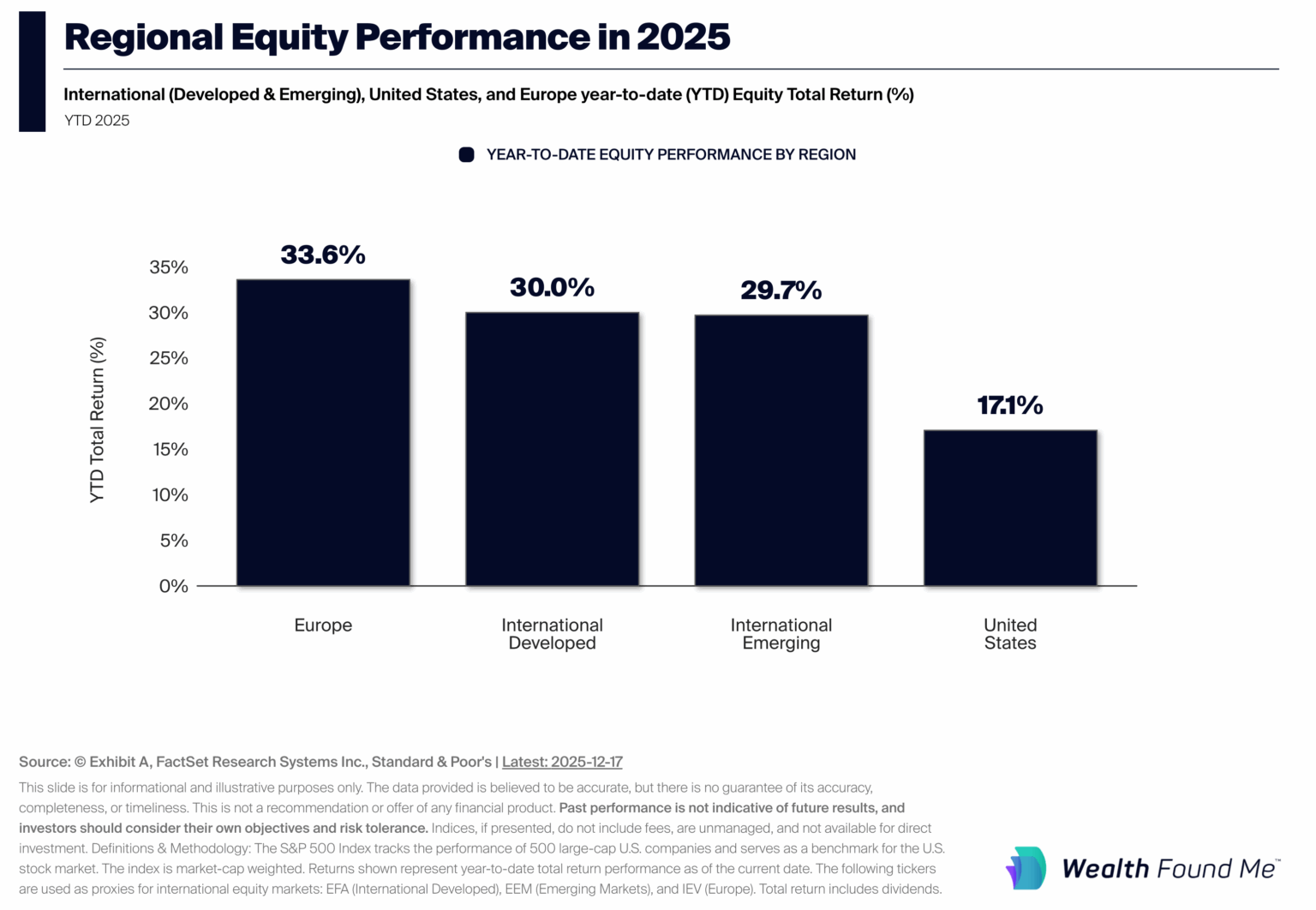
Developed and emerging market stocks benefited from easing inflation, stabilizing currencies, and lower starting valuations relative to U.S. equities. In many cases, investors were simply paid to look elsewhere after years of U.S. dominance.
This chart really highlights the difference in returns between investors who held throughout 2025 compared to folks who sold during April’s market panic.
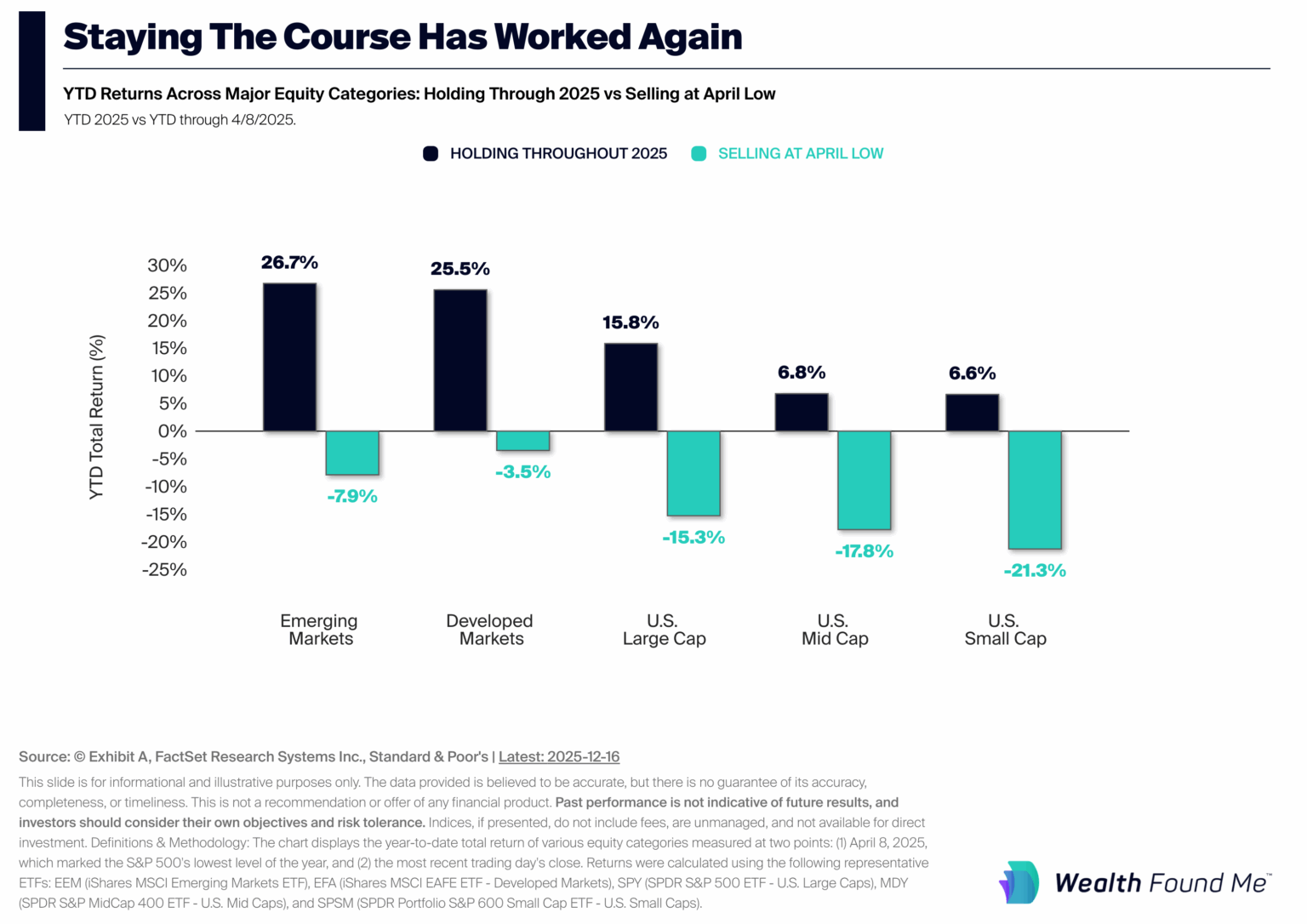
Courage isn’t the absence of fear. Markets don’t know your motivations, nor do they reward your intentions; they reward patience. Sometimes confronting pain and responsibility is the only way forward.
Diversification isn’t sexy. When the conversation around the dinner table inevitably turns into politics and money, you’re not going to screech diversification. But it works. Diversification across sectors, tax lots, and geographies will protect your hard-earned money and help you avoid all-or-nothing decisions.
Sometimes the best portfolios are the ones that feel a little boring in the moment.
The Fed Reserve’s Independence at Risk
The year began with interest rates sitting at restrictive levels, a deliberate attempt to finish the job on inflation without breaking the economy. Today, rates remain higher than pre-Covid days, but the question has shifted from how high can they go to how long they can realistically stay there.
Sepearately, the Federal Reserve’s independence was put into question after the firing of a Fed governor and the proposed hiring of an industry plant.
In response, all living former Fed chairs urged the Supreme Court to protect central bank independence.
But that’s the side show—why is the Fed’s independence so important?
The Federal Reserve is designed to be shielded from the volatility and pressures of day-to-day politics. Otherwise, what president would want to raise rates during their term? Or at the very least, keep them high when pain starts to ensue. Making it harder and more expensive to borrow money is unpopular, but without that lever, inflation risks becoming a political problem instead of an economic one.
History and research are clear that independent central banks tend to deliver lower inflation and lower long-term interest rates over time. The trade-off is short-term discomfort for long-term stability.
A loss of independence would do more than complicate rate policy. It would undermine confidence in U.S. institutions—and, by extension, in U.S. financial assets.
More of the Same
Are we in an era of deregulation?
Private equity in 401(k)s was pitched as democratizing access to lucrative investments once reserved for the wealthy.
With fewer companies going public due to high barriers to IPOs—often taking 18–24 months and costing tens of millions of dollars in legal and accounting fees—I can respect the thesis that allowing professional allocators to tap into the previously tight guarded retirement plans space to inject resources into smaller, unlisted companies could benefit society as a whole.
SPACs were born from this same impulse: a faster, less burdensome route to public markets when the traditional IPO process became too slow and expensive.
But hold on. Reality has entered the chat.
The middleman always gets his cut. Regardless of how the results of the investments turn out. The always spot-on Downtown Josh Brown writes, “The data-driven conclusion is that investing directly in private equity CORPORATIONS as a shareholder over the last three years would have delivered 151% more than investing in the PE fund strategies themselves, with less fees, more liquidity, and far more dollars in your account.”
Another proposal floated this year was to move from quarterly to semiannual reporting.
Promoters pointed to the steady decline in companies choosing/able to go public and argue that the cumulative burden of compliance, the costs we just outlined, and disclosure and being under the public’s magnifying glass have pushed these firms to stay private longer than ever before.
The counter is that reducing reporting frequency doesn’t eliminate ‘short-termism.’ Focusing solely on short-term results often leads to losing sight of the long-term vision and incentivizing bad behavior. It also reduces transparency. Public markets function best when information flows freely and consistently. Less frequent reporting increases the risk of mispricing and opens the door for bad actors to operate longer before getting caught.
In that sense, fewer disclosures wouldn’t make markets healthier, they would make them less efficient.
Government shutdown
Without pointing a finger, the main holdup was a standoff over budget priorities. While this is certainly not atypical for the opposing sides of the aisle, it still resulted in the longest recorded government shutdown, lasting more than 40 days.
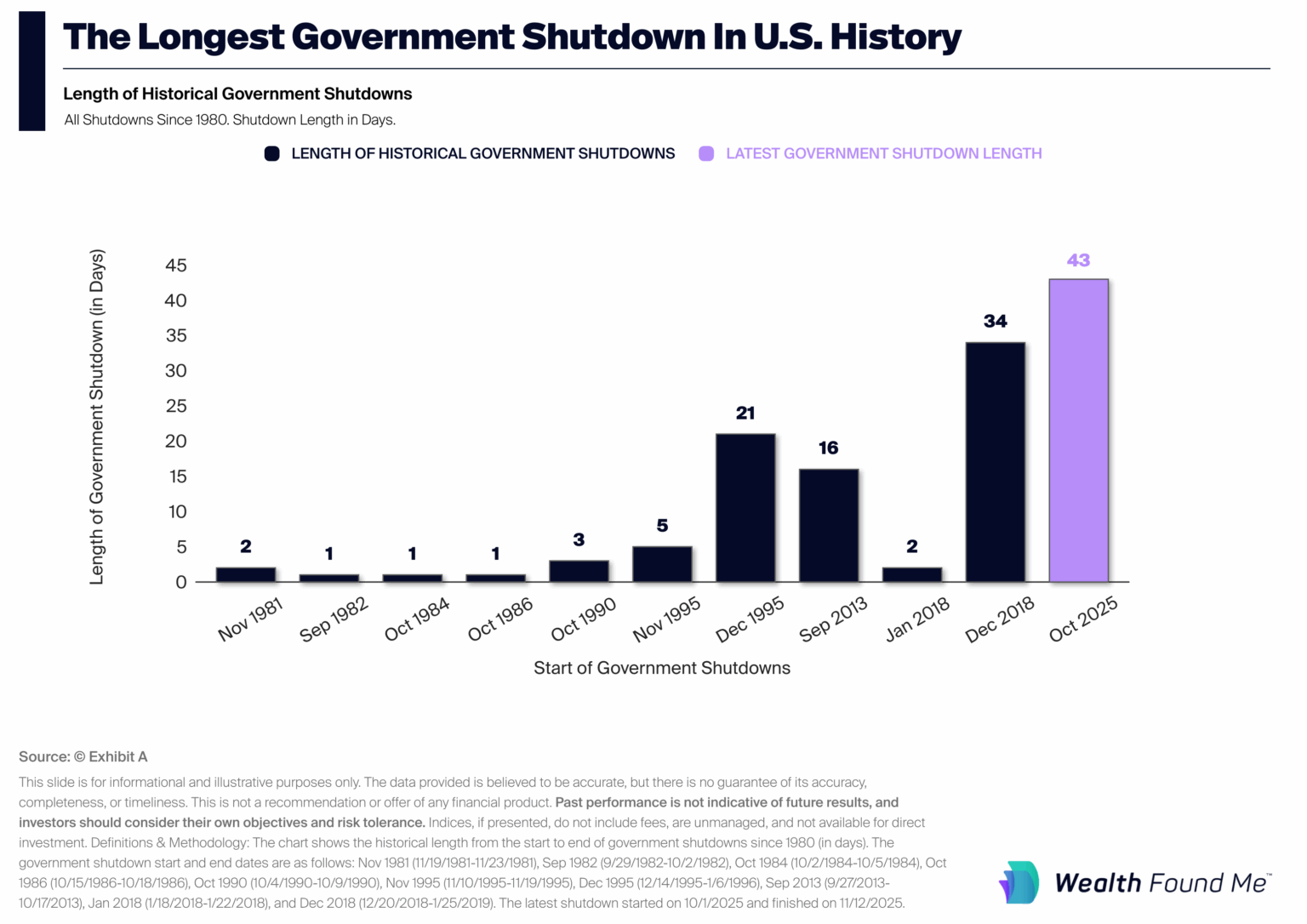
During the shutdown, non-essential roles were furloughed, and essential workers—like TSA agents and air traffic controllers—worked without pay. This led to major airports across the country experiencing severe delays, and more than 1,000 flights were canceled. TikTok showed videos of TSA waitlines basically in the parking lot at George Bush Intercontinental Airport in Houston.
The shutdown cost roughly $11 billion over that period.
More importantly, key economic data was delayed for weeks, forcing policymakers to make already difficult decisions with less visibility.
Powell summed it up during the October Fed meeting: “What do you do if you’re driving in the fog? You slow down,” he said. “So I’m not committing to that. I’m just saying it’s certainly a possibility that you would say, we really can’t see, so let’s slow down.”
However, the chart below tracks how the S&P has performed during past shutdowns.
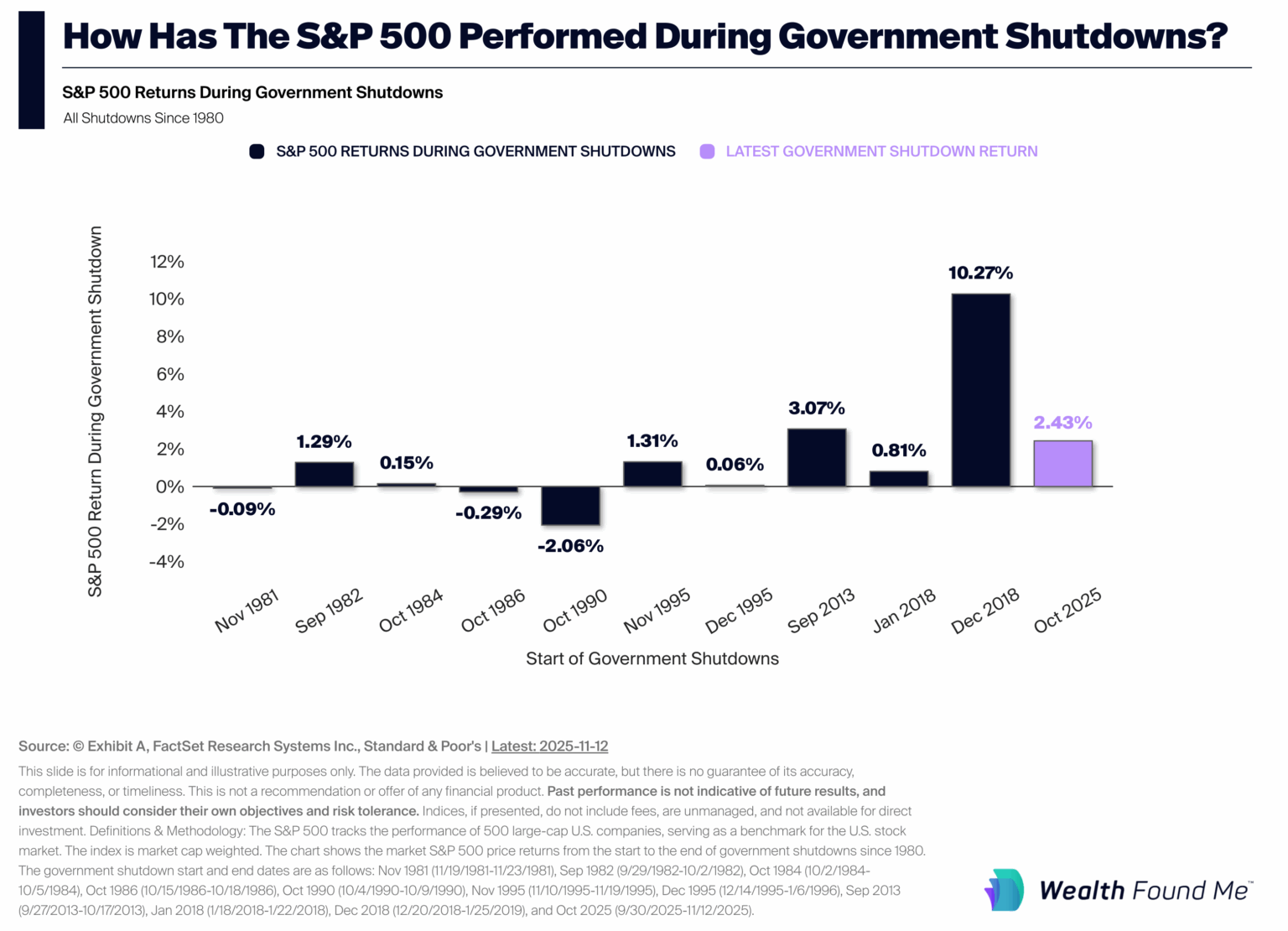
8 of the past 11 years with a government shutdown still closed with a positive going back to 1980. Despite the frustration and impact it may have on government employees’ lives, for investors, this is a reminder that these events are just a feature of a two-party system and ultimately, more noise for long-term investors.
Despite how bad the year started, we damn sure finished strong.
The reason I called it this year The NeverEnding Story is because it reminded me of the 1984 Wolfgang Peterson film. Just like the Gremlins, I can’t believe I was once scared of this great movie. But nonetheless, the takeaways from this year are the same ideas I remember (… ok, Googled) from the movie:
“In the beginning, it is always dark.” I know the first quarter certainly seemed like it spelled trouble for the rest of the year.
April’s test reminds me of when Atreyu, the hero of the story, comes face to face with G’mork, a leopard spirit that was sent to kill him. But Atreyu claims he’s a warrior. He won’t back down so easily in the face of death, yet he also knows that it’s either G’mork or the Nothing that’s eating Fantasia alive. When he asks why is this happening, G’Mork snaps: “Foolish boy! Don’t you know anything about Fantasia? Fantasia has no boundaries… it is a piece of the dreams and hopes of mankind. Therefore, it has no boundaries!”
When some of you look at the market, you might see numbers, percentages, or godforbid Bollinger Bands. But I see retire in 20 years. I see college tuition due in 2043, or I just want my family to be okay if I suddenly lose my job. It’s the never-ending story, that’s why it has no boundaries.
The Nothing, the void, or in our case a 20% retreat from peak to trough, only grows when people stop believing. It’s nothing short of a common occurrence, but still, a lack of faith in the system is a virus that eats it from the inside out.
The upside is in staying consistent in the face of fear. Our wise and incredibly optimistic luckdragon assures us, “Never give up and good luck will find you.”
On a personal note, in March I watched the New Jersey Golden Gloves regionals as fighters prepared for the state finals. I went to scope out the competition. I liked some of what I saw, but if winning a state championship is the mission, I’ve got a lot to learn and improve upon. Stay tuned.
I ran the Brooklyn Half Marathon in April. I was supposed to do another, the Rocky Run, this November but I didn’t, which was totally a user error. So I owe you all a race.
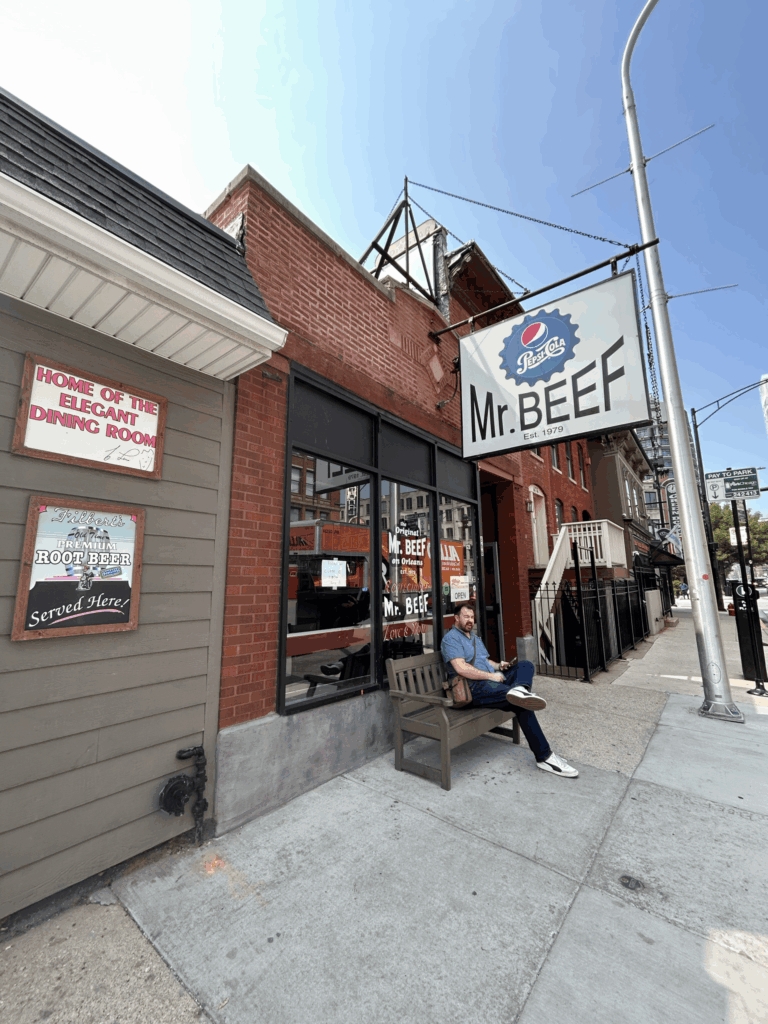
I made it to Chicago and stopped by Mr. Beef’s. If you’re a fan of the Hulu show The Bear, you feel like you’re home as soon as you step inside.
Our story doesn’t end here.